


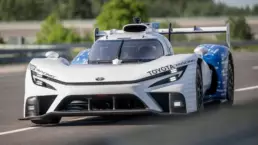
The highly anticipated Automobile Club de l’Ouest (ACO) press conference delivered a series announcements today, mapping out both the immediate commercial future of the FIA World Endurance Championship and its long-term technical evolution. Images: FIA WEC, DDPI ©
Prior to unveiling the structural changes planned for the next decade, WEC officials finalized several major calendar updates. Chief among them is the official return of Silverstone to an expanded nine-round schedule on April 25, 2027, marking the championship’s first visit to the historic British venue since 2019.
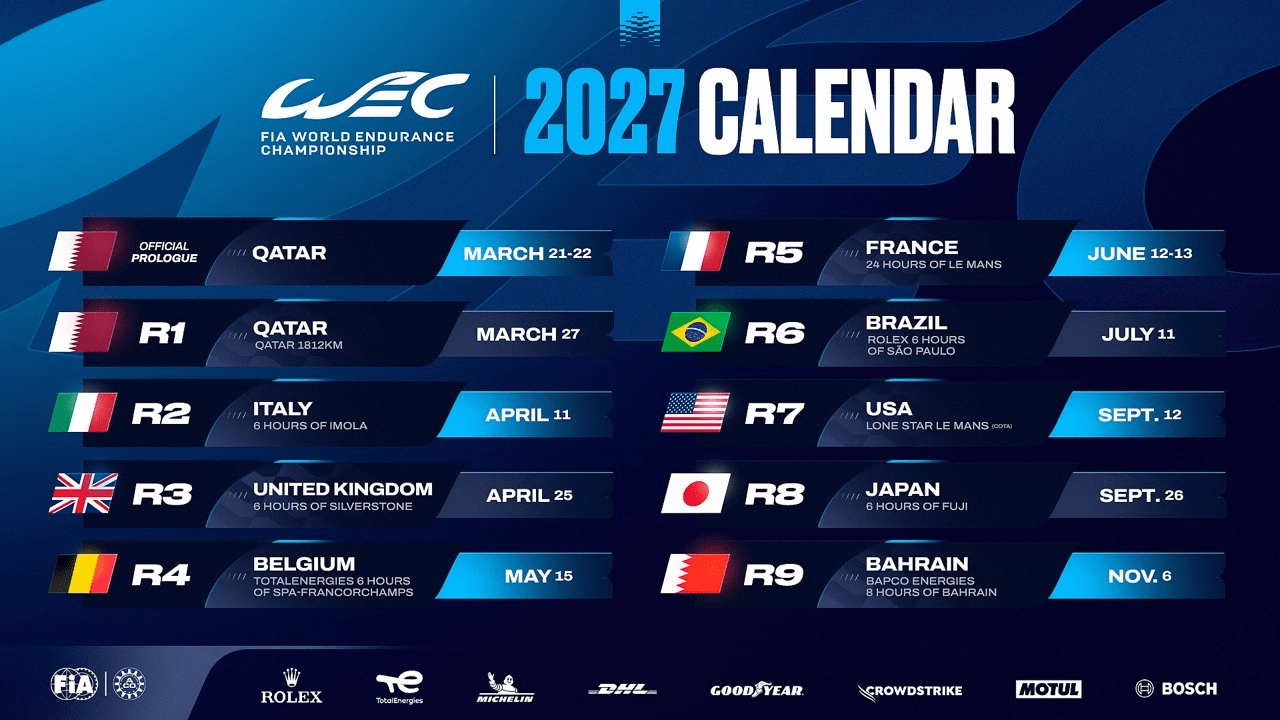
Furthermore, a massive 10-year contract extension ensures that the Bahrain International Circuit will remain the home of the season finale through 2036. Global expansion was also a core theme, with rulemakers officially confirming the integration of the Hypercar platform into the Asian Le Mans Series (ALMS).
2030 Hypercar regulations: more simple, less costy
When looking toward the next decade, cost reduction and technical streamlining are the core focus areas for the governing bodies. The draft revised 2030 Hypercar regulations marks a definitive end to the current convergence era, blending elements of the existing LMH and LMDh rulesets into a single, unified top-tier platform governed by Balance of Performance (BoP).
Under the new technical framework, all top-class prototypes will shift exclusively to a rear-wheel-drive configuration, eliminating the complex front-axle hybrid deployments currently utilized by select LMH manufacturers. Total maximum power output will be increased by 20 kW, while the baseline minimum weight limit will scale upward to 1,040 kg, a 10 kg increase over the current minimum standard.
The choice of hybrid integration remains flexible for factory operations. Competitors will retain the design freedom to develop a bespoke, manufacturer-specific hybrid system or opt for a cost-effective, common spec-unit from a designated supplier, provided it meets identical technical tolerances. A similar philosophy applies to the chassis infrastructure, allowing manufacturers to engineer their own custom architecture or utilize a registered constructor’s complete spine.
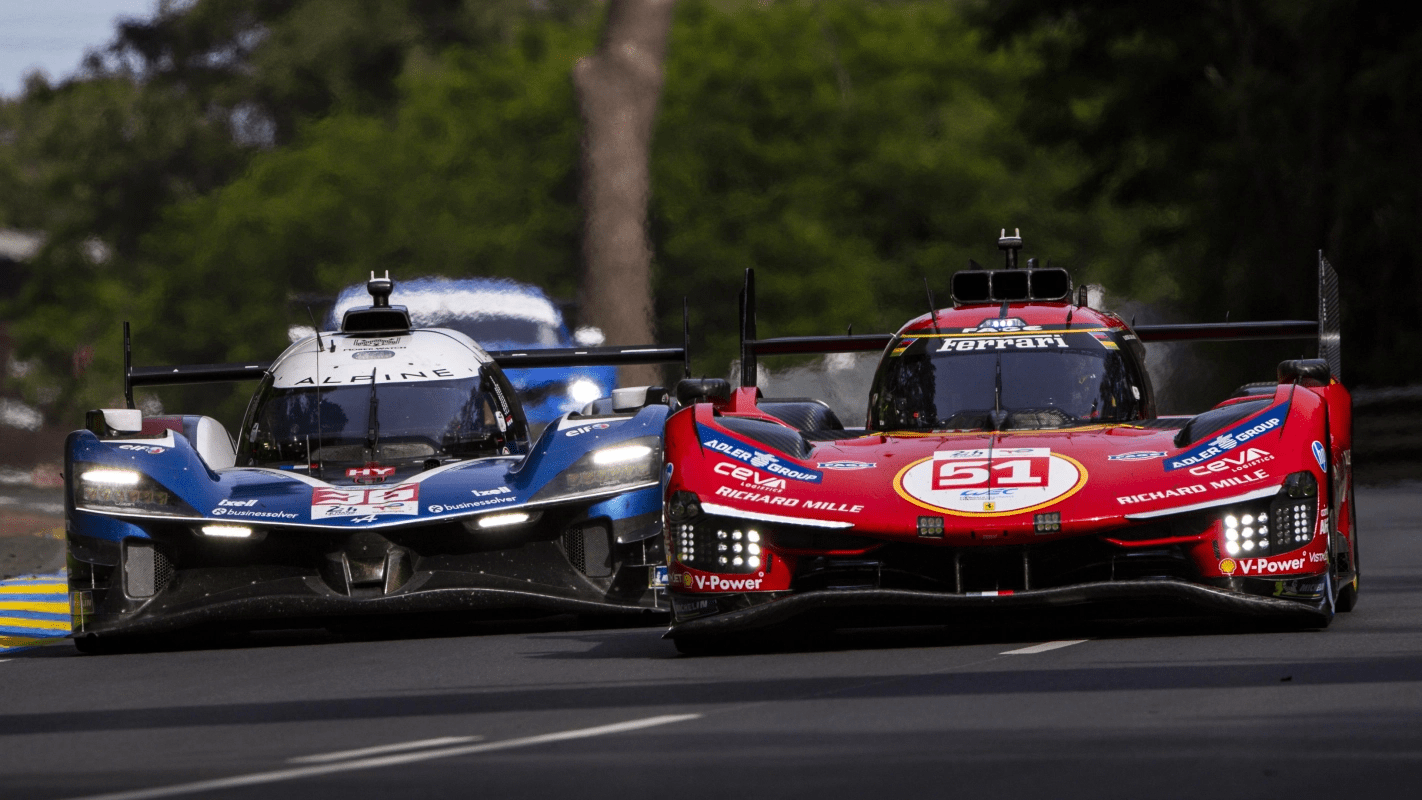
However, the most significant change lies in the stringent new vehicle lifecycle and upgrade limitations. Once a vehicle is homologated for the 2030 ruleset, it will be locked in for a fixed five-year cycle with a strict ban on performance-based “Evo jokers.” This regulation leaves teams with zero margin for incremental performance development; modifications will be strictly monitored by race control and permitted only to rectify proven reliability or safety issues.
Lastly, the ACO confirmed that a mutual agreement has been reached regarding the framework for future hydrogen-powered (H2) machinery. These alternative-energy prototypes will be fully integrated into the existing 2030 Hypercar regulations ecosystem, sharing the baseline sporting regulations, though specific technical variations will be applied to accommodate the unique packaging constraints of hydrogen storage.
Most notably, H2 Hypercars will operate under an elevated minimum weight limit of 1,200 kg and will utilize specialized tire compounds tailored to handle the increased mass. To ensure a level playing field, regulators will implement a strict Equivalence of Technology (EoT) system designed to prevent major performance disparities between internal combustion and hydrogen platforms, ensuring zero performance advantages are conceded to the H2 entries.